
Grilling Safety in Savannah: What You Need to Know
Summer in Savannah means backyard grilling, neighborhood cookouts, and long evenings outdoors. With more time around hot grills and busy patios, it is easy for a quick meal to turn into a painful burn or a bout of food-related sickness
This guide shares practical grilling safety tips in Savannah for people and families, with a focus on avoiding common injuries and knowing when Your Family Urgent Care can help.
How Grill Accidents Happen at Backyard Cookouts
Many grilling injuries start with small, everyday actions. Rushing to get food on the table, setting the grill too close to the house, or letting kids play near the cooking area can all increase risk.
Common situations that can lead to grill-related injuries include:
- Grease flare-ups when fat drips onto open flames.
- Touching hot lids, grates, or tools without proper protection.
- Placing the grill near railings, siding, or other flammable surfaces.
- Crowded cooking areas where people bump into the grill.
Recognizing these everyday hazards is the first step in helping prevent burns and fires. For general grill safety guidance, the National Fire Protection Association’s grilling safety page offers additional tips on placement and fire prevention.
Grilling Safety in Savannah: Practical Tips
A few simple habits can make grilling safer and more predictable, especially during busy Savannah cookouts.
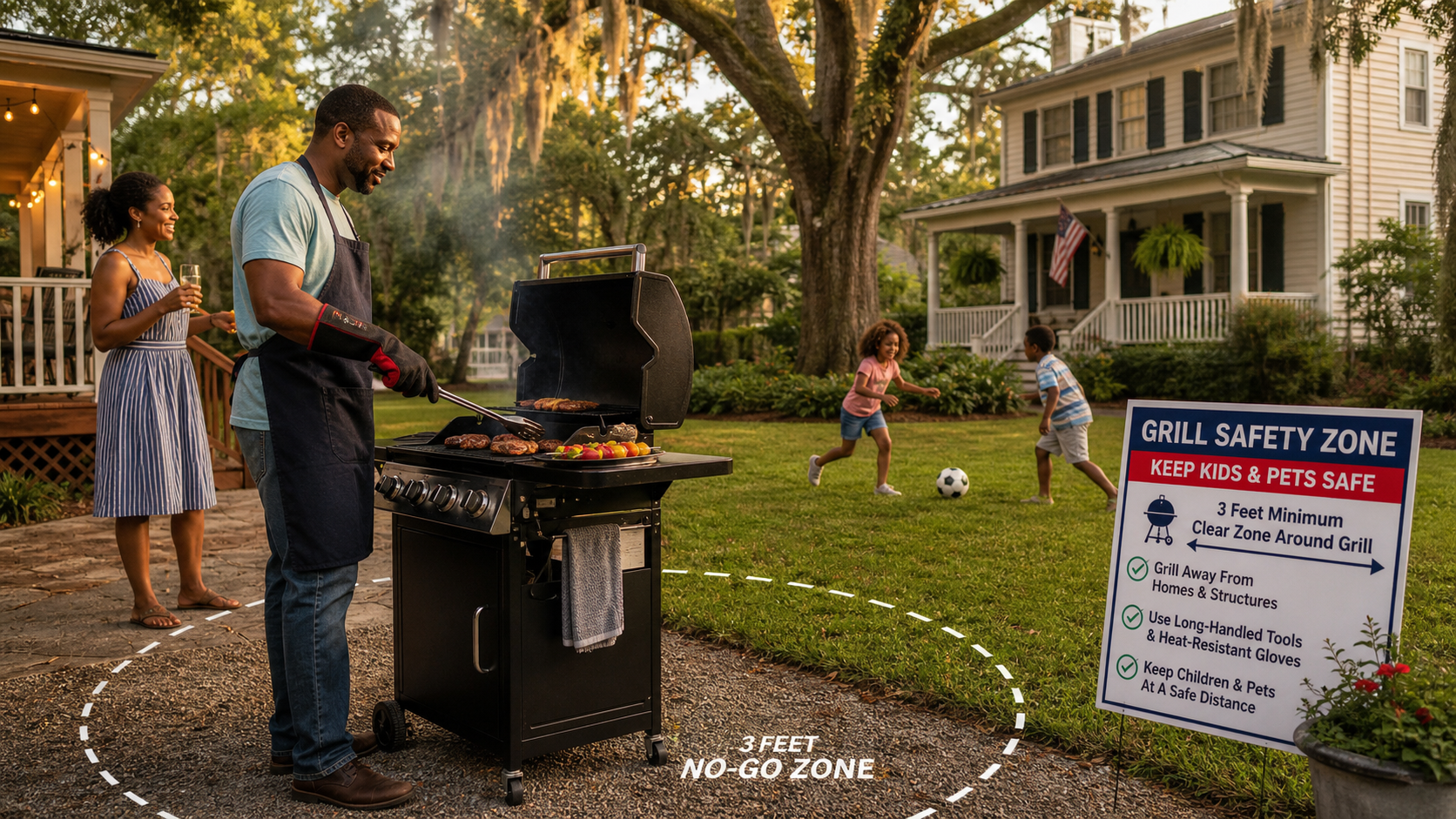
- Choose a safe location for the grill
Place the grill on a stable surface at least 10 feet away from your house, deck, railing, or overhanging branches. Avoid grilling inside garages or enclosed areas to reduce fire and smoke risks. The S. Consumer Product Safety Commission also emphasizes keeping grills outside and away from structures. - Check your equipment before the season starts
Inspect gas lines, connections, and burners for damage or leaks. If you use charcoal, rely on approved starter fluids and avoid adding fluid to an active flame. The FDA’s outdoor grilling advice recommends checking equipment and following manufacturer instructions before each season
- Create a “no-go” zone for children and pets
Set a clear boundary a few feet around the grill where children and pets should not enter. Encourage one person to be responsible for the cooking area to reduce crowding. - Use proper tools and clothing
Long-handled tongs, spatulas, and heat-resistant gloves help keep hands and arms away from hot surfaces. Choose snug-fitting clothing instead of loose sleeves that might catch on fire.
These steps reduce the chance of unexpected burns and make it easier to focus on enjoying the meal.
Food Safety Tips to Help Prevent Food-Related Sickness
In Savannah heat and humidity, food can become unsafe quickly if it is not handled properly. Good food safety practices help lower the risk of stomach cramps, nausea, and other symptoms that sometimes follow a cookout.
Consider these food safety tips:
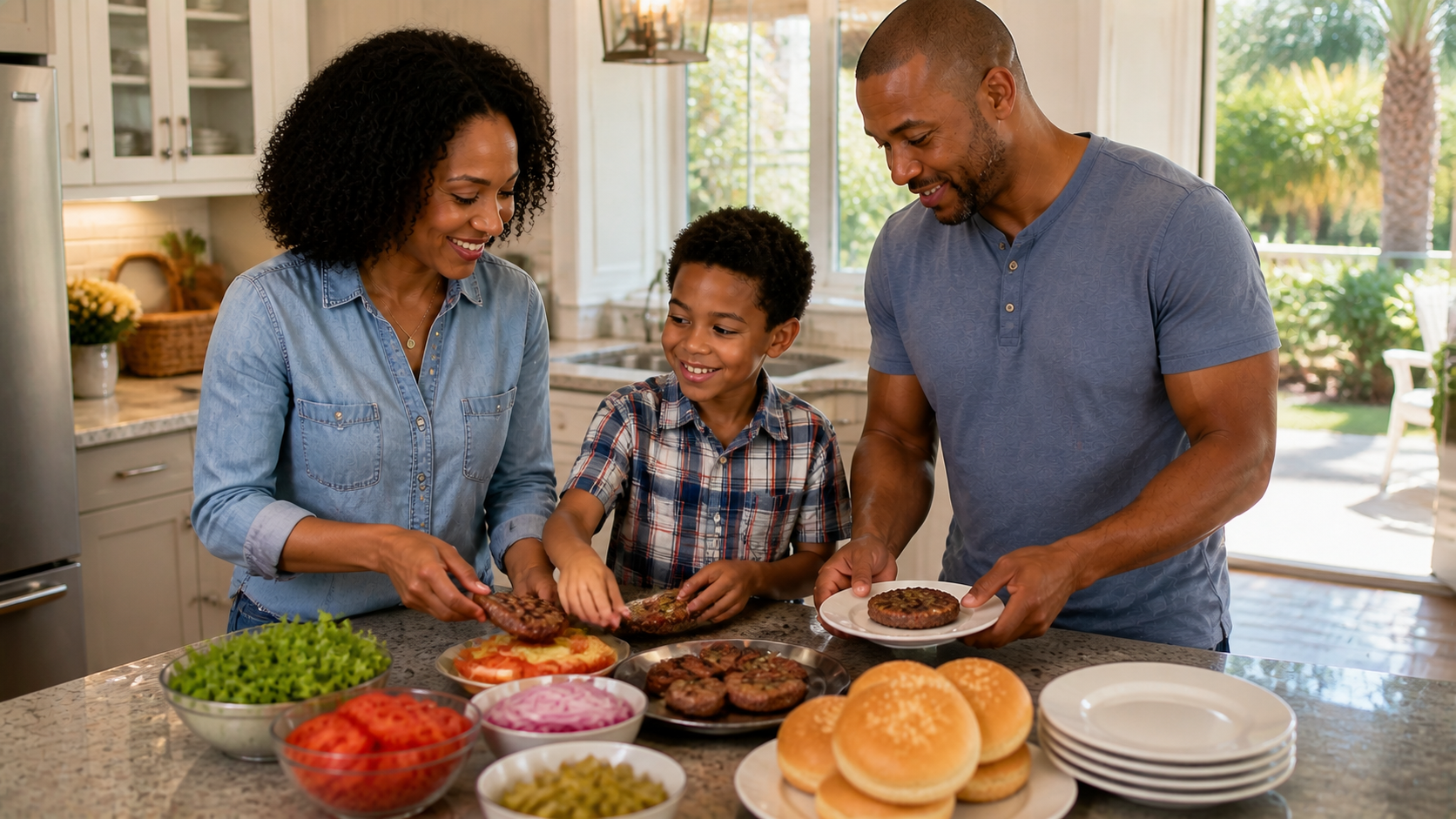
- Keep raw and cooked foods separate with different plates and utensils to avoid cross-contamination.
- Use a food thermometer instead of guessing when meat is done.
- Poultry: 165°F.
- Ground beef: 160°F.
- Steaks and pork: at least 145°F.
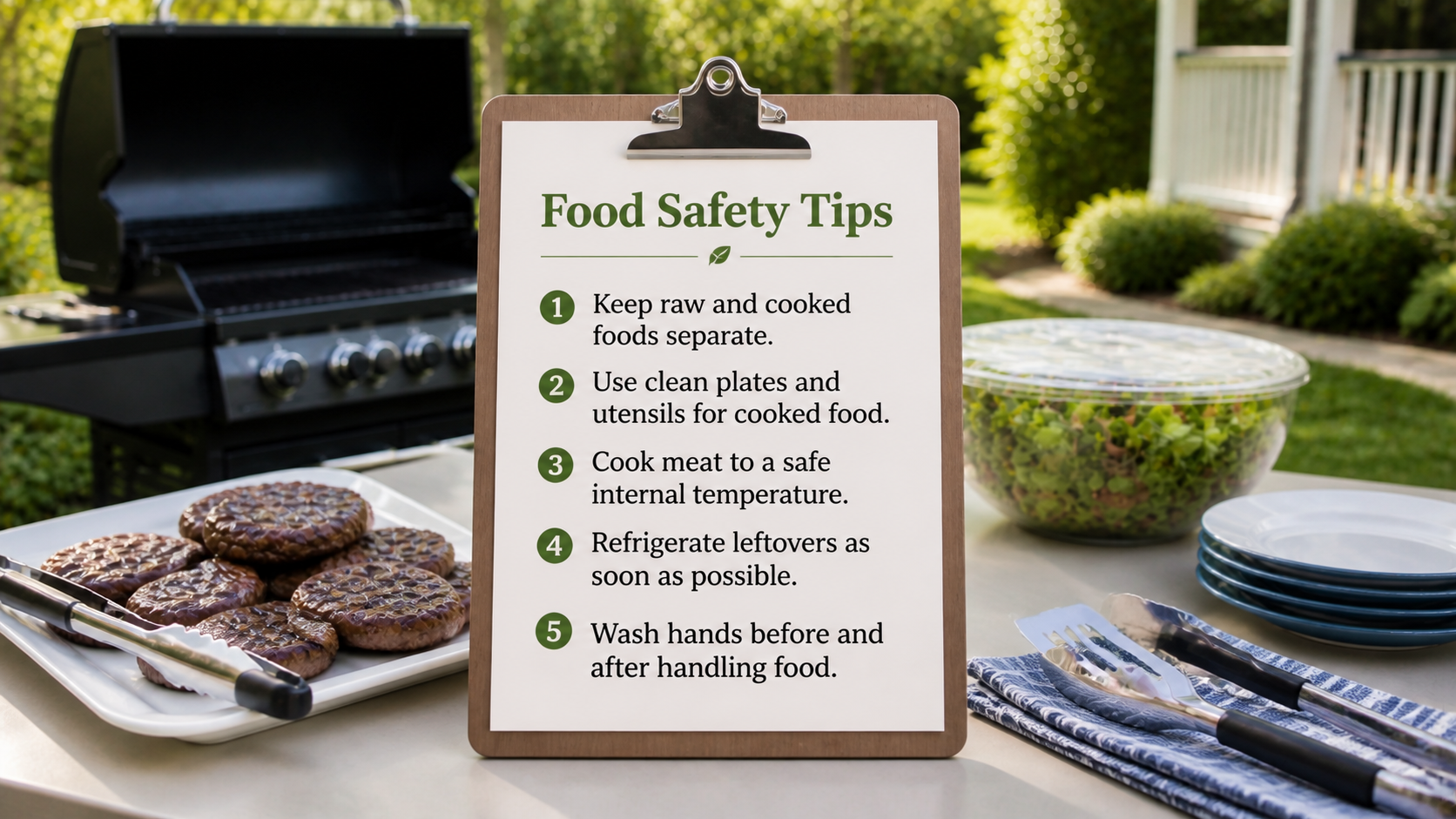
- Limit how long cooked food sits out in warm temperatures. Serve food promptly and refrigerate leftovers soon after the meal, especially on very hot days.
For more detailed guidance on safe cooking temperatures and handling, review the USDA’s meat and poultry cooking temperature chart and the CDC’s food safety tips.
Taking these precautions helps protect you and your guests from gastrointestinal issues that can develop after unsafe food handling or a hot summer cookout.
When a Grill Burn Needs Medical Attention
Minor burns can often be treated at home, but some situations call for urgent care or another medical evaluation.
For small burns:
- Cool the area under running room-temperature water for several minutes.
- Avoid ice, butter, or home remedies that may irritate the skin.
- Keep the burn clean and dry, and watch it over the next few days.
You should consider seeking care at our urgent care clinics for injuries and trauma if:
- The burn is larger than the size of an adult palm.
- The burn affects the face, hands, feet, or joints.
- The skin looks white, charred, or blistered in a large area.
- There is increasing redness, swelling, warmth, or drainage that may indicate infection.
The Mayo Clinic’s guide to burns provides additional information on when burns may need medical care and what symptoms to watch for. Getting timely evaluation can help manage pain, reduce complications, and support proper healing.
To Find Grilling Injury Urgent Care in Savannah
Office hours and locations
One of the things that Your Family Urgent Care tries to make simple for families is access to care. The same urgent care hours apply to each Savannah-area location: Monday through Friday from 8 AM to 8 PM, and Saturday through Sunday from 9 AM to 5 PM.
Three Savannah-area clinics serve local families:
- Berwick: 5730 Ogeechee Rd. Suite 192, Savannah, GA 31405.
- Sandfly: 7360 Skidaway Rd #L2, Savannah, GA 31406.
- Wilmington Island: 212 Johnny Mercer Blvd, Savannah, Georgia 31410.
People can visit the locations page to find the clinic that is closest to home. Families who want more visit details can also use the Patient Resources page for common questions.
Staying Safe with Grilling Safety in Savannah
Grilling is an important part of life in Savannah. With a few safety steps, people can reduce the risk of burns, fires, and food-related sickness for themselves and their guests.
If a grilling injury or illness goes beyond what feels manageable at home, Your Family Urgent Care is ready to help at the Berwick, Sandfly, and Wilmington Island clinics.